Role of Community Colleges in Preparing STEM Students
Curriculum Alignment with University Standards
Community colleges play a pivotal role in preparing students for successful transfers to four-year institutions, particularly in the field of Science, Technology, Engineering, and Mathematics (STEM). One of the primary ways they achieve this is through curriculum alignment. Community colleges often develop their courses in consultation with local universities to ensure that the credits earned will be transferable and recognized. For instance, many community colleges utilize the Transfer Model Curriculum (TMC), which aligns with California State University (CSU) requirements, facilitating seamless transitions for students pursuing degrees in STEM disciplines.
This alignment ensures that community college students are equipped with the foundational knowledge and skills that universities expect. For example, a student transferring from a community college to a university engineering program may have completed courses in calculus, physics, and computer programming that adhere to the same academic standards as those required at the university level.
Hands-On Learning Opportunities
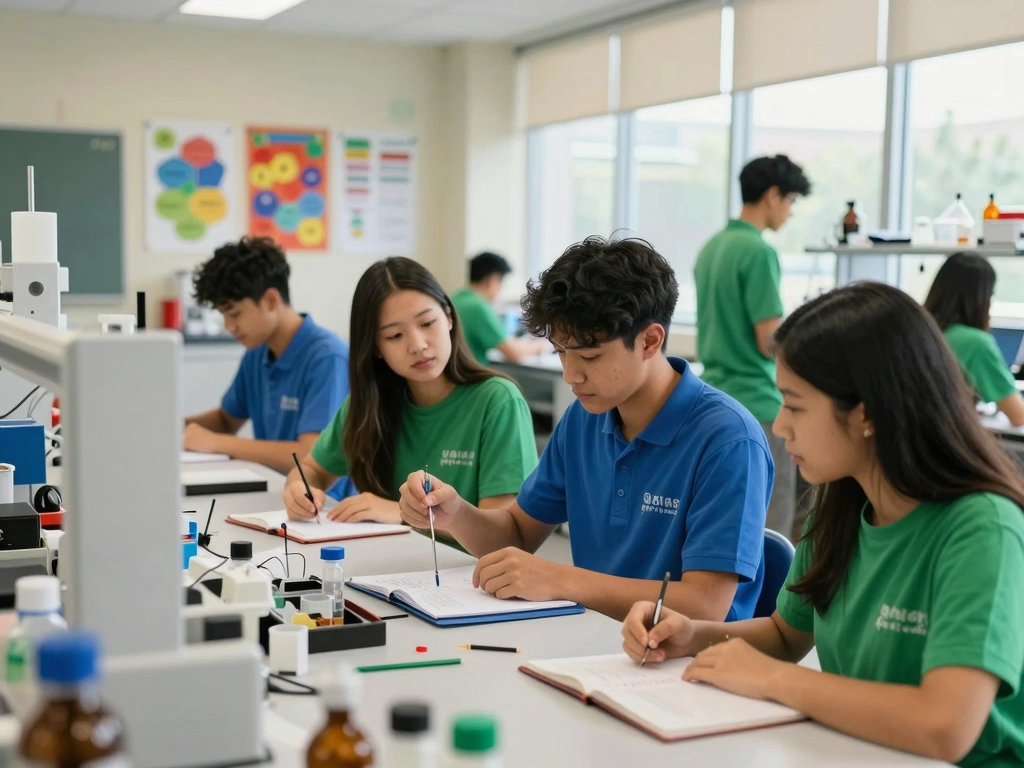
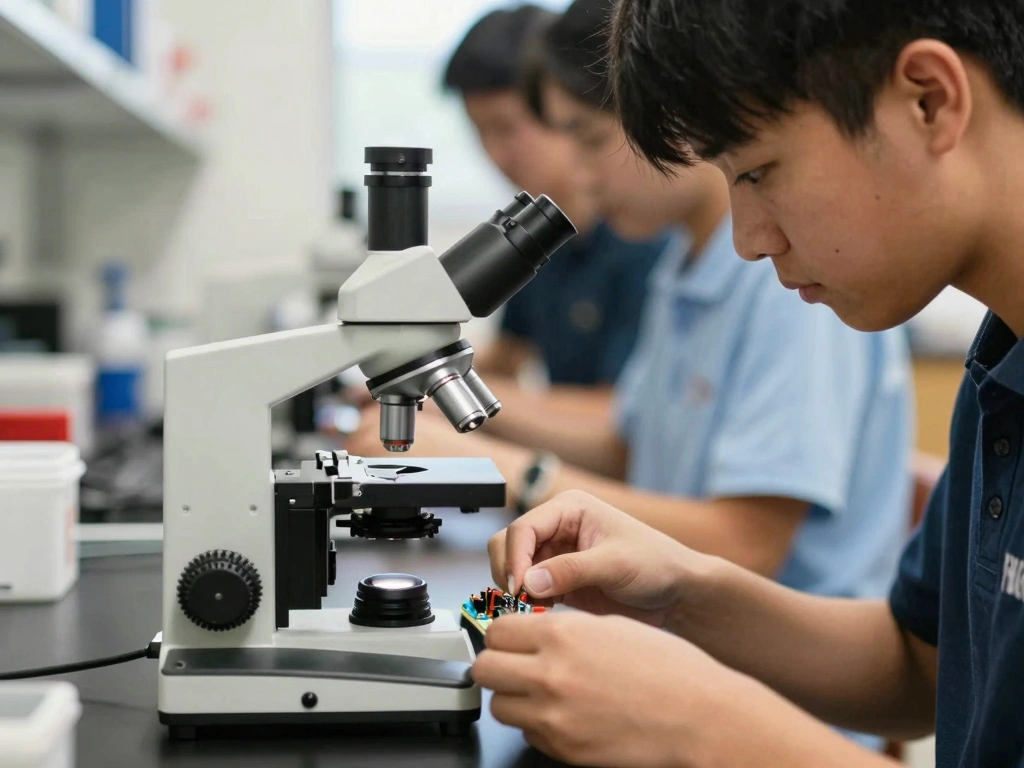
Another significant advantage of community colleges is their emphasis on hands-on learning opportunities. Many community colleges offer state-of-the-art laboratories and facilities where students can gain practical experience. Programs such as Project Lead The Way provide students with project-based learning experiences that are directly applicable to real-world STEM fields.
For example, a community college might offer an Associate Degree in Biotechnology, where students engage in laboratory work, learn to handle bioinformatics software, and even participate in local research projects. Such experiences not only enhance understanding but also make students more competitive when applying to universities or entering the workforce.
Access to Experienced Faculty and Mentors
Access to experienced faculty and mentors is another cornerstone of community college STEM programs. In many cases, community college instructors hold advanced degrees and have significant industry experience. This expertise allows them to provide students with insights that go beyond textbook learning.
For instance, a community college physics professor who has worked in aerospace engineering can offer students valuable guidance on how to approach complex engineering problems. Furthermore, many community colleges implement mentorship programs where students are paired with faculty or industry professionals, fostering relationships that can be instrumental when students seek to transfer to four-year institutions.
Impact of Financial Accessibility on STEM Transfer
Affordable Tuition and Financial Aid Options
Financial accessibility is a critical aspect of the community college model, significantly impacting STEM transfer pathways. Community colleges typically offer lower tuition rates compared to four-year institutions, making higher education more attainable for a broader range of students. According to the National Center for Education Statistics, the average annual tuition for community colleges in the United States is approximately $3,400, compared to about $10,500 for public four-year colleges.
Moreover, community colleges often provide extensive financial aid options, including federal and state grants, scholarships, and work-study programs, which can further alleviate the financial burden. For example, programs like the Pell Grant can provide up to $6,495 for eligible students, significantly reducing the cost of attendance for those pursuing STEM degrees.
Cost-Effective Pathway to Bachelor's Degrees
The community college route proves to be a cost-effective pathway to achieving a bachelor's degree in STEM fields. By starting at a community college, students can complete their general education requirements and lower division courses at a fraction of the cost. This strategy not only saves money but also allows students to explore different disciplines before committing to a specific major.
Research by the American Association of Community Colleges (AACC) indicates that students who transfer from community colleges to four-year institutions often have higher graduation rates and lower student debt compared to those who start at universities. This suggests that community colleges not only provide a financially viable option but also foster an environment conducive to academic success.
Reducing Financial Barriers for Underrepresented Students
Community colleges are particularly important for reducing financial barriers faced by underrepresented students in STEM. According to a report by the National Science Foundation, minority students are significantly underrepresented in STEM fields. Community colleges serve as critical access points for these populations, offering affordable education and support services tailored to their needs.
Programs such as the STEM Scholars Program specifically target minority students, providing them with scholarships, mentorship, and tailored academic support. Such initiatives not only help to alleviate financial stress but also create a supportive community that encourages minority students to pursue and succeed in STEM fields.
Community Partnerships Enhancing STEM Pathways
Collaborations with Local Industries and Employers
Community colleges often establish partnerships with local industries and employers, creating robust pathways for STEM students. These collaborations can take many forms, including curriculum development, internship programs, and job placement services. For instance, a community college might partner with a tech company to design a program that aligns with the skills and knowledge required for employment in that industry.
Such partnerships not only enhance the educational experience but also ensure that students are learning relevant skills that are in demand in the job market. A notable example is the collaboration between Miami Dade College and local tech firms, which has resulted in a specialized computer science curriculum that incorporates real-world applications and projects.
Internship and Research Opportunities
Internships and research opportunities are vital for providing community college students with practical experience in STEM fields. Many community colleges have dedicated offices that facilitate internships with local businesses, government agencies, and research institutions. For example, the College of DuPage in Illinois has established partnerships with various local companies, enabling students to gain hands-on experience while earning academic credit.
Additionally, community colleges often encourage students to participate in research projects alongside faculty members. These experiences not only enhance students' resumes but also provide them with a taste of what a career in STEM entails. Participation in research can also strengthen transfer applications, as students can demonstrate their commitment and experience in the field.
Networking Events Connecting Students and Professionals
Networking events are another essential component of community college STEM pathways. Many community colleges organize job fairs, workshops, and speaker series that connect students with professionals in their fields of interest. These events provide students with opportunities to learn from industry experts, gain insights into potential career paths, and make valuable connections that can aid in their transfer process.
For instance, the City College of San Francisco hosts an annual STEM Career Fair, where students can interact with employers, attend panel discussions, and participate in resume workshops. Such initiatives not only prepare students for successful careers but also enhance their chances of gaining admission to competitive four-year programs.
Support Services that Facilitate STEM Transfers
Academic Advising and Transfer Counseling
Effective academic advising and transfer counseling are critical support services offered by community colleges to facilitate STEM transfers. Academic advisors help students create educational plans that align with their career goals and ensure that they are taking the appropriate courses for transfer.
Many community colleges have dedicated transfer counselors who specialize in assisting students with the transfer process. For example, the University of California Transfer Pathways program provides resources and support specifically designed for community college students seeking to transfer to UC schools. These counselors guide students through application requirements, deadlines, and financial aid options, making the transition smoother and less daunting.
Peer Support Programs and Tutoring Services
Peer support programs and tutoring services are essential for community college students, particularly those pursuing rigorous STEM programs. Many community colleges offer tutoring services in subjects like mathematics, biology, and chemistry, which are often foundational for STEM pathways. These services can help students reinforce their understanding of complex concepts and improve their academic performance.
Additionally, peer support programs, such as STEM Learning Communities, create networks of students who share similar academic interests. These communities foster collaboration, encourage study groups, and provide a space for students to seek help from their peers. Such support systems can significantly enhance retention rates and academic success among STEM students.
Workshops on Transfer Processes and Requirements
Community colleges often conduct workshops on transfer processes and requirements, which are invaluable for students planning to continue their education at a four-year institution. These workshops typically cover essential topics such as application timelines, personal statement writing, and financial aid options.
For example, workshops offered by the Community College Transfer Initiative guide students through the nuances of transferring, from understanding the differences between institutions to preparing for interviews with admissions committees. These resources equip students with the knowledge and skills necessary to navigate the often-complex transfer landscape successfully.
Success Stories of STEM Transfers from Community Colleges
Case Studies of Successful Transfers
Success stories from community college STEM transfers highlight the effectiveness of these institutions in fostering academic and professional growth. One notable case is that of Maria Rodriguez, who began her educational journey at a community college in Texas. After completing her associate degree in biology, she transferred to a prestigious university, where she graduated with honors and is now pursuing a Ph.D. in Biomedical Sciences.
Another example is James Lee, who attended a community college in California and transferred to a top engineering program. His community college experience provided him with the skills and confidence necessary to succeed in a competitive environment, leading to internships with leading tech companies and ultimately a full-time position after graduation.
Alumni Testimonials and Career Progression
Alumni testimonials further illustrate the positive impact of community colleges on STEM career trajectories. Many former students credit their community college experiences with providing them the foundation needed for success. For instance, Emily Chen, a graduate of a community college nursing program, stated, "The support I received from my professors and peers was invaluable. It prepared me for both my transfer and my career in healthcare."
These testimonials are often accompanied by data showing that community college graduates tend to excel in their fields, with many securing positions in high-demand STEM occupations. According to a report from the Georgetown University Center on Education and the Workforce, more than 40% of STEM workers hold an associate degree or started their education at a community college.
Long-Term Impact on Workforce Diversity in STEM Fields
Finally, community colleges play a crucial role in promoting diversity in the STEM workforce. By providing accessible pathways for underrepresented groups, community colleges are helping to create a more inclusive environment in STEM industries. According to the Bureau of Labor Statistics, diversity in the workforce leads to increased innovation, creativity, and productivity.
Programs designed to support underrepresented students, such as the National Science Foundation’s STEM Talent Expansion Program, have shown promising outcomes. These initiatives not only increase the number of underrepresented students pursuing STEM degrees but also contribute to a more diverse workforce, which is essential for addressing the complex challenges of the 21st century.